
Rocket Lab’s 100th Electron launch served a returning customer. Its order book shows demand, but can that work pay for the people, hardware and facilities needed to deliver it?
- A repeat Electron customer offers evidence about demand for a rocket that already flies.
- Bookings span Electron, HASTE and Neutron.
- An acquisition can change how a business earns and spends cash.
Flight history and repeat business
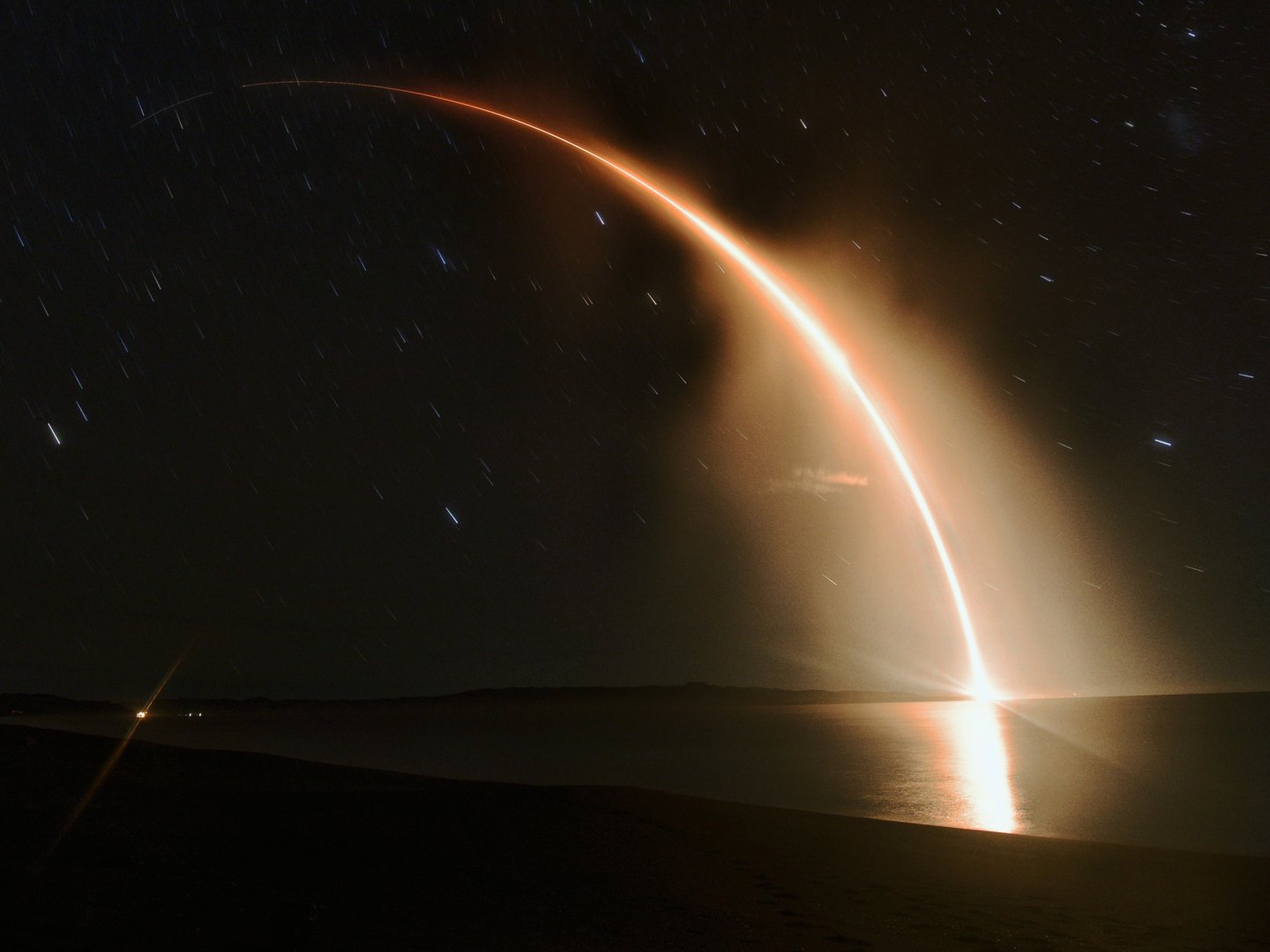
On November 14, 2026, Rocket Lab announced Electron’s 100th launch, carrying an Earth imaging satellite for iQPS. It was the 11th Electron mission for that customer, which has booked further flights for its constellation. The milestone came with evidence of a customer returning for more work.
The repeat booking says more about demand than the round number alone. A constellation customer has reason to value the next satellite arriving on schedule alongside the last mission’s success. Returning to Electron suggests willingness to entrust more work to the same provider. It supports the commercial case without settling how much cash that work will generate.
The work behind the order book
Rocket Lab reported about $3.6 billion of total backlog. Its count of 117 launch bookings covers only part of the business, spanning Electron, HASTE and Neutron.
Neutron’s debut is targeted for no earlier than 2027. A first flight followed by customer missions would demonstrate growing launch capacity. A delay could push back payments tied to flight milestones, although the booking disclosure does not give customer payment schedules. The distinction matters when judging how quickly contracted work might support cash flow.
The November 9, 2026 contract announcement gives the order book a more useful timetable. Rocket Lab described eight Neutron missions for five constellation operators, worth more than $515 million, with several sold at a $70 million base launch price. ICEYE missions begin from late 2028, while Muon Space missions are scheduled for 2029 and 2030. These bookings extend well beyond the debut. They support a case for sustained customer interest, but treating their full value as near term funding would assume payment terms that the announcement does not provide. The more useful sequence is to establish readiness, begin customer service and observe payments. Strong commercial pricing ahead of the first flight is encouraging, while the eventual profit still depends on the cost of performing those missions.
The October 14 schedule update had already moved Neutron’s expected first launch into 2027. That makes development progress a catalyst with a financial consequence. A stronger order book cannot, by itself, remove the time needed to bring a new vehicle into service. If readiness improves without another extension, investors would have a firmer basis for assessing delivery against contracted dates. Another delay would shift attention towards how long development must be funded before customer missions can contribute. The important update would therefore explain what has been completed and what remains, rather than simply repeat the target year.
Electron also has work scheduled beyond the immediate launch calendar. Its September 30 agreement with Synspective adds 20 missions planned annually from 2028 through 2031. The remaining deal terms were undisclosed. A schedule spread over several years offers visibility into future work while leaving the timing of cash open. It also explains why valuing the order book as though it were cash already earned would be misleading. A useful valuation would need assumptions about payment dates, delivery costs and the resources required to sustain that cadence. The contract announcement supplies the work and its intended timetable, rather than those missing inputs.
Cash across reporting periods
Third quarter revenue reached $268 million, and operating cash inflow was $7.2M. In its November 9, 2026 release, Rocket Lab scheduled the earnings call for 5 p.m. Eastern time that day. The quarter offers a useful starting point for comparing cash generation across reporting periods.
Over the nine months ended September 30, 2026, operations used $127.3 million. Equipment and infrastructure spending separately absorbed $84.2 million.
Inventory, receivables and contract assets absorbed cash, partly offset by contract liabilities that include customer advances. The stronger case would be deliveries and collections that leave cash after capital spending. If that cash fades as advances slow or unpaid balances grow, the order book offers less reassurance about funding delivery.
Nine month sales growth reflected Space Systems manufacturing and acquisitions, more Electron missions and higher revenue per launch. Rocket Lab still reported a net loss. A valuation therefore relies on future profitability, rather than extrapolating sales alone. More launches could spread fixed costs, provided delivery economics improve.
Funding an acquisition
Common share offerings raised $3,875.2 million net over the same nine months.
Rocket Lab said a completed equity offering had secured funding for the pending Iridium acquisition. The nine month proceeds combine offerings across the period, however, and provide no allocation among uses. They cannot all be assigned to the acquisition from that total alone.
Iridium’s announced terms call for $27.00 in cash plus Rocket Lab shares for each Iridium share if the acquisition closes. Approvals and other closing conditions remain. Issuing more Rocket Lab shares reduces the ownership percentage represented by an unchanged holding. That dilution can coexist with higher value per share, provided the acquired operations contribute enough after purchase and integration costs. The economic question is what each share gains in return for the smaller ownership percentage.
Iridium could also change when cash arrives. Services accounted for most of its quarterly sales, and it separately reported capital spending. If service receipts arrive more evenly than payments tied to deliveries, the combined business could become less sensitive to launch dates. The benefit would depend on the cash left after maintaining the service and replacing its hardware. A steadier revenue pattern would be useful, but the associated spending remains part of the acquisition’s financial case.
Iridium’s earnings also need interpretation. Its quarterly net income benefited from a $103.9 million gain on the Aireon acquisition. That gain should be separated from a judgment about how reliably the acquired operations can contribute recurring cash.
Iridium reported $2.2 billion in gross debt and $97.9 million in cash at the quarter end. Potentially steadier service receipts therefore come with financial obligations. Assessing the combination requires considering those obligations alongside the operating cash it might produce.
The announced closing target is mid 2027, subject to remaining approvals and conditions. Until then, the acquired service business belongs in a conditional scenario. A completed transaction would move the assessment towards integration, combined cash generation and the ownership interest represented by each Rocket Lab share.
What the price needs from the business
At the November 13 close of $61.53, the valuation question is what future cash each share can claim after funding growth.
The share price represents an interest in future cash after the costs of expansion. A stronger launch business can still produce a weaker per share outcome if financing expands the share count faster than cash generation. The acquisition’s contribution must therefore be judged after purchase costs and the effect of the additional shares, rather than from combined revenue alone.
What public X previews show
A public AltIndex selection displayed November 14 X previews with contrasting emphases. Its bullish list linked a tenet_research headline celebrating the launch milestone, while its bearish list linked a SeekingAlpha headline about future debt. Those are the tracker’s selected previews and labels. Original post bodies were unavailable during this review, so the selection cannot establish X wide consensus or the authors’ complete arguments. It does identify a useful question for the evidence: whether demonstrated launch demand will support the obligations of expansion. That question should be tested against delivery, financing and cash rather than the apparent balance of a small social sample.
Daily closes around earnings
For NASDAQ:$RKLB, the US regular session on November 13, 2026 closed at $61.53. Nasdaq and PyInvesting’s instrument history show that this was below the November 11 regular session close of $66.15 and above the November 9 regular session close of $58.86. Both are closing price references.
Measured from the prior Friday’s regular session close of $53.07, the stock ended the release week higher. Measured from the highest regular session close of the release week, it ended lower. The choice of baseline explains how the close can retain a gain for the week after giving back part of a larger advance.
Later regular session closes above $66.15 would show the price had surpassed the release week’s highest close. Closes below $58.86 would put it beneath the November 9 regular session reference. Consecutive closes would show whether the move lasted beyond a single session.
Reading moving averages and momentum
A simple moving average weights each close equally. Friday finished below the average of that week’s five regular session closes. That comparison describes the final session relative to a baseline that includes the whole week.
The relative strength index, or RSI, compares recent gains with recent losses. A 14 session setting draws on a wider span of price changes than the earnings week comparison. A rise in RSI alongside several higher closes would describe stronger recent gains relative to losses. The comparison concerns what happened within the chosen window.
These indicators offer different checks on persistence. A moving average provides a smoothed price baseline, while RSI describes the balance of recent gains and losses. Agreement would make a momentum interpretation easier to sustain. Disagreement would call for more observation. Neither measure establishes that a launch target or cash forecast has improved.
The longer history gives a mixed signal. At the November 13 close, the shares stood above their twenty session average but below their fifty session average, calculated from Nasdaq’s recorded closes. That supports a rebound interpretation, while leaving the longer baseline unrecovered.
Editorial assessment. Repeat orders strengthen the demand case. Operating cash consistently exceeding capital spending would provide stronger evidence that Rocket Lab can fund delivery from its own operations.
Evidence scope. The chart discussion ends with the November 13, 2026 regular session. The disclosures and price history used here leave contract level margins and the causes of individual price moves open.
Sources and further reading
- Quarterly Report for the Period Ended September 30, 2026
- Third Quarter 2026 Financial Results
- Rocket Lab Hits 100 Electron Launches
- Iridium Announces Third Quarter 2026 Results
- Rocket Lab Common Stock Historical Data
- RKLB Instrument and Recent Price History
- Simple Moving Average
- Relative Strength Index
- Iridium Stockholders Approve Acquisition by Rocket Lab
- Rocket Lab Lands Over $515M in Neutron Launch Deals from Constellation Operators in Q3
- Rocket Lab Provides Update on Neutron Development and Adjusts Target Launch Timing
- Rocket Lab Secures Largest-Ever Electron Commercial Deal: 20-Launch Contract for Synspective
- Rocket Lab (RKLB) X (Twitter) Mentions: Daily Trends & Sentiment | AltIndex