Adjusted funds from operations, abbreviated AFFO, can deduct property spending before distributions are assessed. Its treatment of those cash demands matters as much as the resulting coverage figure.
- FFO describes operating performance without establishing sustainable distributions.
- The treatment of recurring property spending changes what AFFO measures.
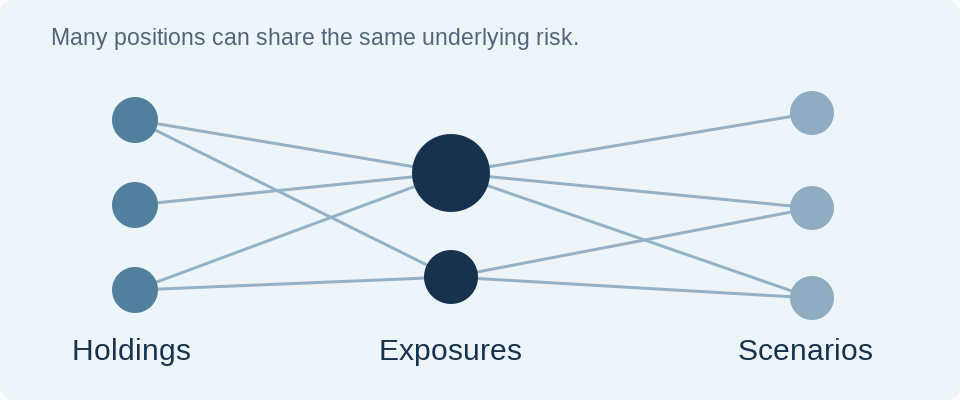
- Several income holdings can still share exposure to one sector.
What the operating measure answers
Nareit introduced funds from operations, abbreviated FFO, because earnings calculated from historical property depreciation have limits as an operating comparison. For the organisation, the figure supplements the description of real estate business results. Its white paper cautions that this figure neither measures available cash nor establishes how much a REIT can sustainably distribute. (Nareit)
That distinction gives the measure a useful but bounded role. Historical asset costs can complicate comparisons between the results of property businesses. Removing the depreciation charge does not identify the cash required to preserve the assets. A distribution assessment therefore needs evidence about spending and financing beyond the operating measure, even when FFO itself is correctly calculated. (Nareit)
A definition change with a real example
EPR Properties states in its supplemental for the quarter ending in September 2026 that it changed its AFFO definition to stop deducting maintenance capital expenditure. It says the purpose was consistency with most other REITs using a similar lease structure. The company also recalculated the earlier periods presented and supplies a reconciliation between the definitions. (EPR)
The change illustrates a denominator effect. Holding distributions and other inputs constant, removing a positive spending deduction increases AFFO and reduces distributions divided by AFFO. That arithmetic supplies no new cash. EPR’s comparison between definitions demonstrates why a change in the displayed coverage measure needs attribution before it can be read as improved funding capacity. (EPR)
Deductions already inside the number
Realty Income’s third quarter supplemental takes a different presentation route. Its AFFO reconciliation deducts leasing costs and commissions and recurring capital spending associated with operating properties. It also adjusts rent recognition and other items before displaying AFFO, distributions paid and the amount remaining after those distributions. The reconciliation makes those particular deductions visible. (Realty Income)
If an investor starts from this reported AFFO figure, subtracting those same deductions again would count them twice. Conversely, the presence of a deduction in one company’s reconciliation cannot establish that another company includes it. Comparable coverage requires matching the spending treatment, the distribution amount and the period, rather than applying a universal adjustment to every AFFO figure. (Realty Income)
Where the capital boundary sits
For Digital Realty, the recurring capital category covers work supporting revenue from existing buildings, including preparing space for replacement occupants and paying outside agents to arrange leases. The category excludes purchase related costs built into underwriting, upgrades needed to satisfy company standards and commissions earned within the business. Its AFFO calculation subtracts the recurring category. (Digital Realty)
The boundary separates a measure of continuing operations from a complete account of property investment. Excluded acquisition or improvement spending need not be evidence of deteriorating operations. It can still require funding. When coverage is interpreted as cash remaining after every obligation, the omitted categories become material to the interpretation even if the classification is consistently applied. (Digital Realty)
The strongest case for using AFFO
Equinix presents AFFO as useful for judging dividend capacity because its reconciliation removes selected accounting effects and allows for capital needed to sustain existing revenue. The company describes the recurring category as extending the working life of data centres and other revenue supporting assets. It subtracts that spending in the reconciliation alongside separate adjustments. (Equinix)
This is the strongest defence of the metric: a disclosed reconciliation can bring an operating comparison closer to the recurring resources behind distributions. Rejecting it merely because it differs from accounting earnings would lose useful information. The defence weakens when the reader assumes that the selected adjustments also capture every investment commitment or every future replacement need. (Equinix)
Coverage and the wider funding question
The SEC’s guide follows cash through distinct categories for operations, asset investment and financing. Asset purchases usually sit in the investment category; borrowing and repayment sit in the funding category. Operating cash therefore does not capture the final movement after those other transactions. (SEC)
A historical issuer disclosure notes variations in AFFO between companies. Its discussion also limits what either FFO or its adjusted version can establish about cash adequacy. Property improvements, repayments of loan principal and shareholder distributions remain part of that question. This methodological warning supplies no diagnosis of a current shortfall. (One Liberty)
If borrowing or asset disposals fill a cash gap, a distribution can be paid without equivalent funding from recurring operations. The cash statement distinguishes those routes. Payment completion then provides different evidence from continuing internal funding, even at the same payout. (SEC)
The exposure beyond an individual payout
The SEC connects diversification with holdings that respond differently to conditions and with exposure across sectors. On that basis, owning several REITs with attractive coverage figures does not itself establish diversified income risk. Their common sector exposure remains relevant. Improving the measurement of each payout answers a company question, while the portfolio still needs a separate assessment of shared exposures. (Investor.gov)
Editorial assessment. AFFO deserves greater weight when its disclosed capital deduction fits the question about recurring distributions. Confidence falls when omitted commitments are material to the cash requirement being assessed. Evidence about those commitments could change the conclusion without changing the reported metric.
Evidence scope. This analysis examines definitions and disclosed reconciliations. It estimates no current funding gap, future distribution, property replacement cost or share price outcome. The company examples have different business models; no comparative ranking is established. The older issuer disclosure supports a measurement warning rather than a claim about its present finances. Spending classifications alone cannot determine whether an investment earns an adequate return.
Related research on REIT refinancing exposure